

Get in touch?
08045802786- Home Page
- Company Profile
-
Our Products
- Solar Panel Mounting Accessories
- Middle Clamp
- Roof Clamp MS SOLAR
- Spring Nut
- Aluminium Middle Clamp 30MM
- 10mm Aluminium Middle Clamp
- Aluminium End Clamp
- Aluminium Solar Panel End Clamp
- Aluminium Strut Channel
- 41X21 Aluminium Mini Strut Channel
- 50X50mm Aluminum Solar Panel Mounting Rail
- LONG RAIL STRUCTURE
- Solar Panel Mounting Structure
- Solar Panel Mounting Structure Stand
- STADING SEAM FOR SOLAR MOUNTING
- Trapezoidal Roof Solar Structure
- 60X300MM MONO RAIL STRUCTURE
- PORTRATE STRUCTURE FOR SOLAR
- LANDSCAPE STRUCTURE FOR SOLAR
- Aluminium solar Structure
- Solar Long Rail Structure
- Double Portrait Solar Panel Mounting Structure
- Solar Panel middle Clamps 30MM
- 5mm MS Base Plate
- 2.5mm Aluminum Tin Roof Elevated Structure
- Aluminum Tin Roof Tilt Structure
- Solar Module Mounting Structure
- Solar Panel Mounting Structures
- Roof Mounting STRUCTURE
- Solar Rooftop Structures
- Solar Panel Mounting Structure HOT DIP
- Aluminum Tin Shed Solar Mounting Structure
- Clip Lock Bracket Structure
- ALUMINIUM SOLAR PENAL MOUNTING RAIL
- MIDDLE CLAMP DOUBLE HOLE
- MONO RAIL STRUCTURE
- 100X300MM MONO RAIL
- 60X300MM MONO RAIL STRUCTURE
- Z BRACKET STRUCTURE
- Mounting Rails and Hooks
- Solar Mounting Structure
- SOLAR MOUNTING STRUCTURE
- ALUMINIUM Z CLAMP
- SOLAR PANEL MIDDLE CLAMP ALL SIZE
- SOLAR PANEL MONO RAIL
- ALUMINIUM PANEL MOUNTING STRUCTURE
- Panel Mounting tilt angel Structure
- SOLAR RCC ROOFTOP STRUCTURE
- Solar Panel Mid Clamps
- SOLAR MOUNTING STRUCTURE ALUMINUM
- ALUMINUM TIN SHED MOUNTING STRUCTURE FOR SOLAR
- FRP WALKWAY FOR SOLAR
- ALUMINIUM SOLAR PANEL STAND
- ALUMINIUM SOLAR MODULE STRUCTURE
- ALUMINIUM UNISTRUT CHANNEL
- TIN SHAD STRUCTURE
- MONO RAIL 100X300MM WITH ALL SET
- Solar Module Mounting Structure
- Aluminum Structure
- Solar Panel Clamp
- Industrial Clamps and Hanger
- Industrial Channels and Plate
- Spring Nuts and Bolts
- Solar Panel Accessories
- Aluminium Base Rail 40X60
- SOLAR PENAL END CLAMP 35 , 38 , 40
- Aluminium Base Rail
- Solar Panel Mounting Accessories
- Aluminium Solar Panel Z Clamp
- C Type Aluminium Micro Rail
- Aluminium Mini Strut Channel 41X21
- Alumimium C Shaped Channel
- Aluminum Solar Panel Frame
- Slotted Cantilever Arms
- Aluminium Standing Seam Metal Roof Clamp
- Frp Solar Walkway Grating
- Solar C Channel
- Solar Sheet Metal Parts
- Solar Panel Mounting Structure And Clamp
- Aluminium Channel
- Solar Clamp
- Solar Panel Structure
- Module Mounting Structure
- Solar Panel Frame
- Solar Module Mounting Structures
- Solar Panel End Clamps
- Aluminium Clamp
- Solar Panel Mid Clamps
- U Clamp
- FRP Walkway
- Solar Panel Stand
- Aluminium Accessories
- Spring Nuts
- Aluminum Micro Rail
- Strut Connector
- Cantilever Arms
- Stainless Steel Channel
- Anchor Fasteners and Screw
- Solar Panel Mounting Hardware
- Hot Dip Galvanized Base Plate
- Tile Bonding
- Solar Panel Mounting Rail
- Aluminium Middle Clamp
- 10mm Aluminium Single Hole Middle Clamp
- 30MM Aluminium Single Hole Middle Clamp
- 26mm Aluminium Single Hole Middle Clamp
- Aluminium Middle Clamp 35mm
- 35mm Aluminium Single Hole Middle Clamp
- Aluminium Double Hole Middle Clamp
- Aluminium Solar Panel End Clamp 40mm
- Aluminium Solar Panel End Clamp 30mm
- Aluminium Solar Panel End Clamp 35mm
- GI Strut Channel
- Aluminium Strut Channel
- MS Spring Nut
- MS Clamp
- Solar Panel Mounting Accessories
- Contact Us
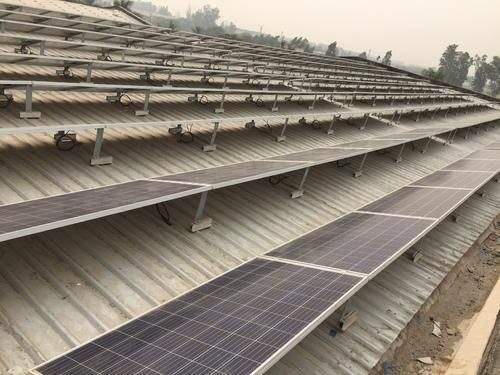
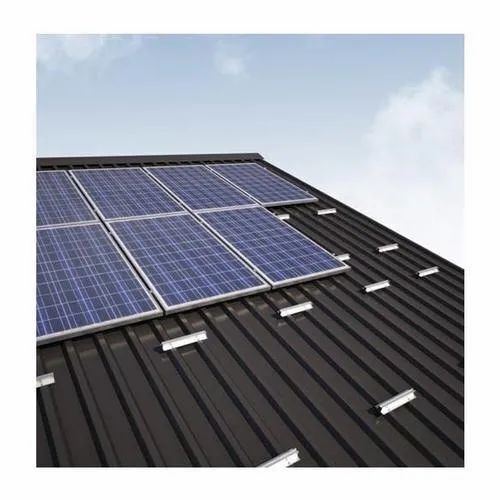

 Send Inquiry

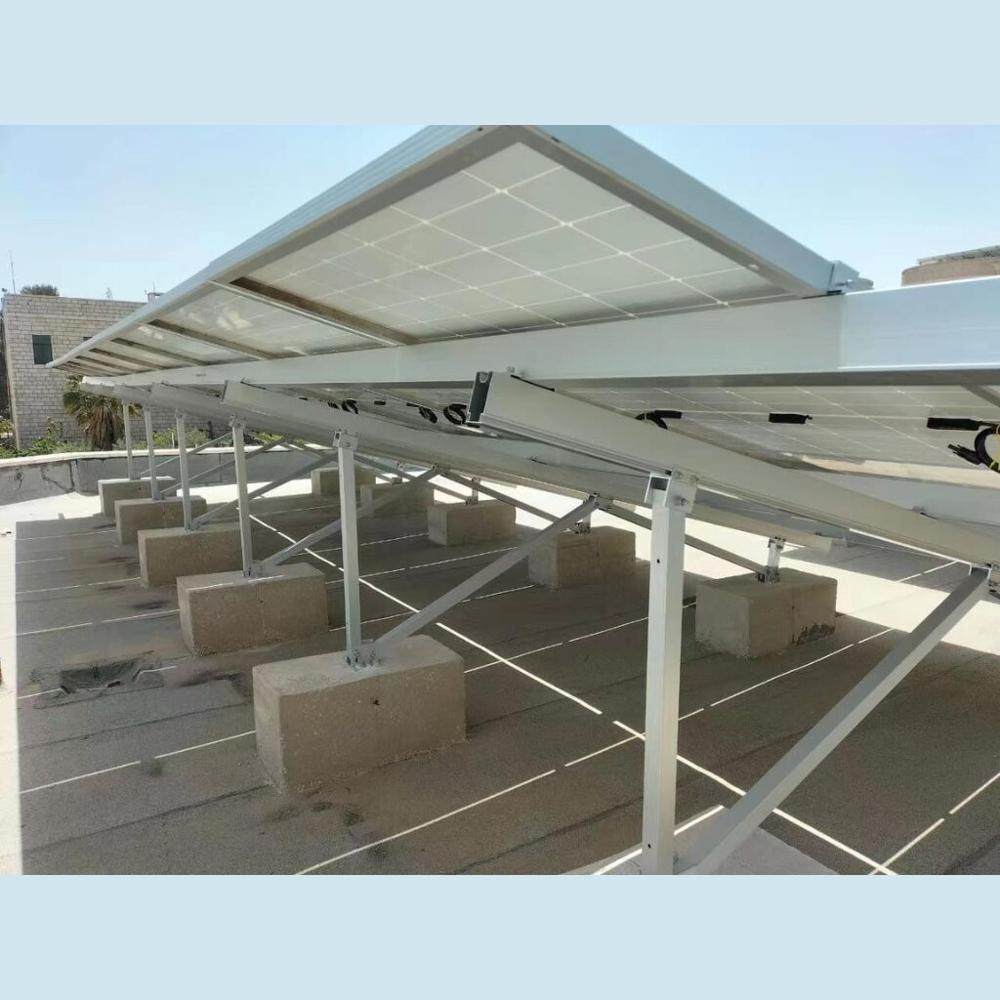
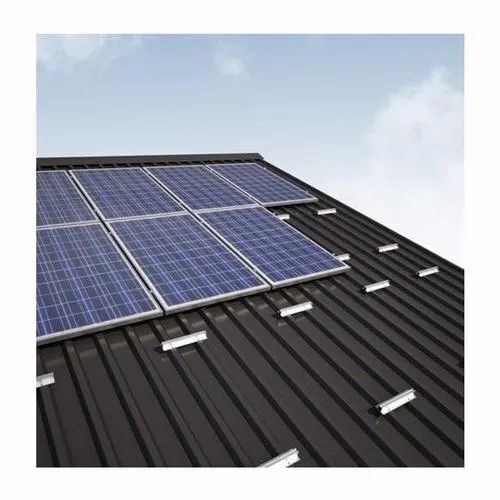


 Send Inquiry
 Send Inquiry



 English
 Spanish
 French
 German
 Italian
 Chinese (Simplified)
 Japanese
 Korean
 Arabic
 Portuguese